

Cantine Leonardo da Vinci
Cantine Leonardo da Vinci are located in the birthplace of the famous Leonardo di ser Piero (known as Leonardo da Vinci) with the aim of interpreting in a modern way the important studies carried out by the Florentine artist in the field of oenology between the 15th and 16th centuries.
In fact, wine was not only a passion of his, but was also in his background since Leonardo came from a family of wine growers, he loved to drink it and study it, as confirmed by a letter he wrote in 1515 to his factor in which he gave him precise suggestions on oenology and agronomy to obtain a product without defects.
From this precious document, unique in its kind, comes the Metodo Leonardo, a secret procedure revisited in a modern key by a scientific committee of oenologists and scholars based on observation, innovation and a deep respect for the territory, from which the prestigious wines of Cantine Leonardo da Vinci are born.
The heart of Cantine Leonardo da Vinci is the Villa da Vinci, a 100-hectare property (75 hectares of vineyards) consisting of the historic mansion and a small church.
The wines inspired by the Florentine artist are divided into 5 collections, each representing a real story that explores one aspect of the link between wine and Leonardo.
Villa Da Vinci is the collection dedicated to the origins of Leonardo, in fact it is in these lands that the vines were cultivated by his family and it is in these lands that today our Cru wines are born.
1502 da Vinci in Romagna recounts the journey the artist undertook in that year and the names of these wines are dedicated to the five cities he visited, easily recognisable within his drawings.
The Masterpieces combine Leonardo’s most important works with the most famous Italian wine appellations.
Leonardo Da Vinci is the collection identified with the Vitruvian Man and includes the most important varieties from Tuscany and Romagna.
The Leonardo Geniale collection is inspired by the wine described in his letter in 1515 E’l vin sia temperato, poco e spesso. Non fuor di pasto,néa stomaco vuoto which means to drink wine often and in little quantities,during a meal and never on an empty stomach.
The grapes are harvested by hand and the entire process is then geared towards maintaining its authentic flavours. Maceration is carried out on the skins with frequent pumping over, fermentation takes place in temperature-controlled steel tanks, while refinement is carried out first in Slavonian oak casks and then in the bottle.
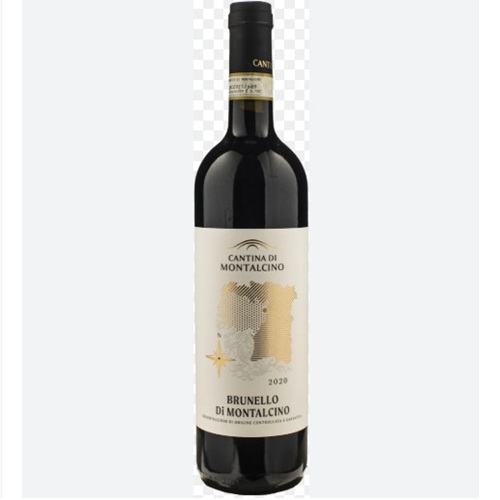
The productions include: Brunello di Montalcino (vintage or in the I Capolavori version)
Frequently Asked Questions
Where are the Cantine Leonardo da Vinci located?
Cantine Leonardo da Vinci stands in the birthplace of Leonardo di ser Piero, better known as Leonardo da Vinci, with the goal of reinterpreting in a modern way the winemaking studies the Florentine artist carried out between the 15th and 16th centuries.
What connection does Leonardo da Vinci have with this winery?
Leonardo came from a family of grape growers and had a genuine passion for wine, which he studied and appreciated: a 1515 letter shows him giving his estate manager precise winemaking and agronomic advice for producing a flawless wine. This document is the source of the 'Leonardo Method', reinterpreted for modern times by a scientific committee of winemakers.
Showing all 2 results